Turning survey data into
downloadable insight
A one-click CSV generator that converted complex JSON survey data into analyst-ready files. It became the tool that directly enabled WECCC to secure future funding for their community care programme.
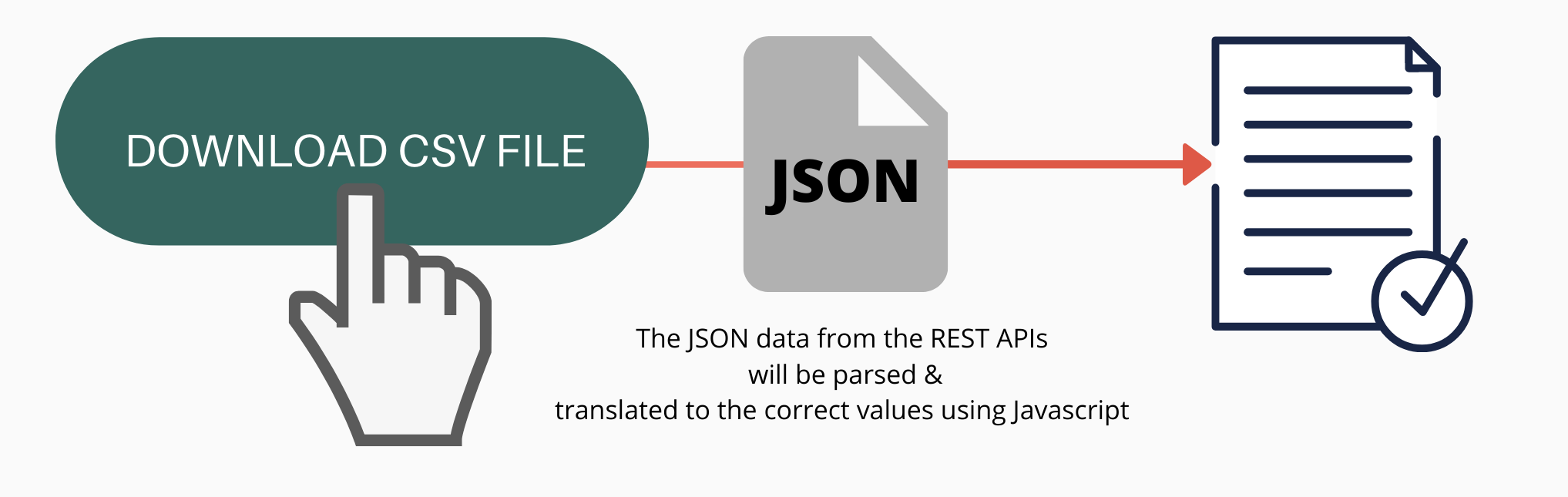
Survey data trapped in JSON,
unusable for analysis
The Windsor Essex Compassion Care Community (WECCC) collected quality-of-life survey data from hundreds of community members through their digital platform. But all that data lived inside the system as JSON, structured for the application and not for analysis.
Researchers needed to measure pre and post survey interval differences, run group-level comparisons, and produce programme evaluation reports. Without a way to export data cleanly, this meant hours of manual extraction and reformatting work each cycle.
Critically, the programme evaluation report was the primary document used to secure funding for future years. A slow, error-prone process put that funding at risk.
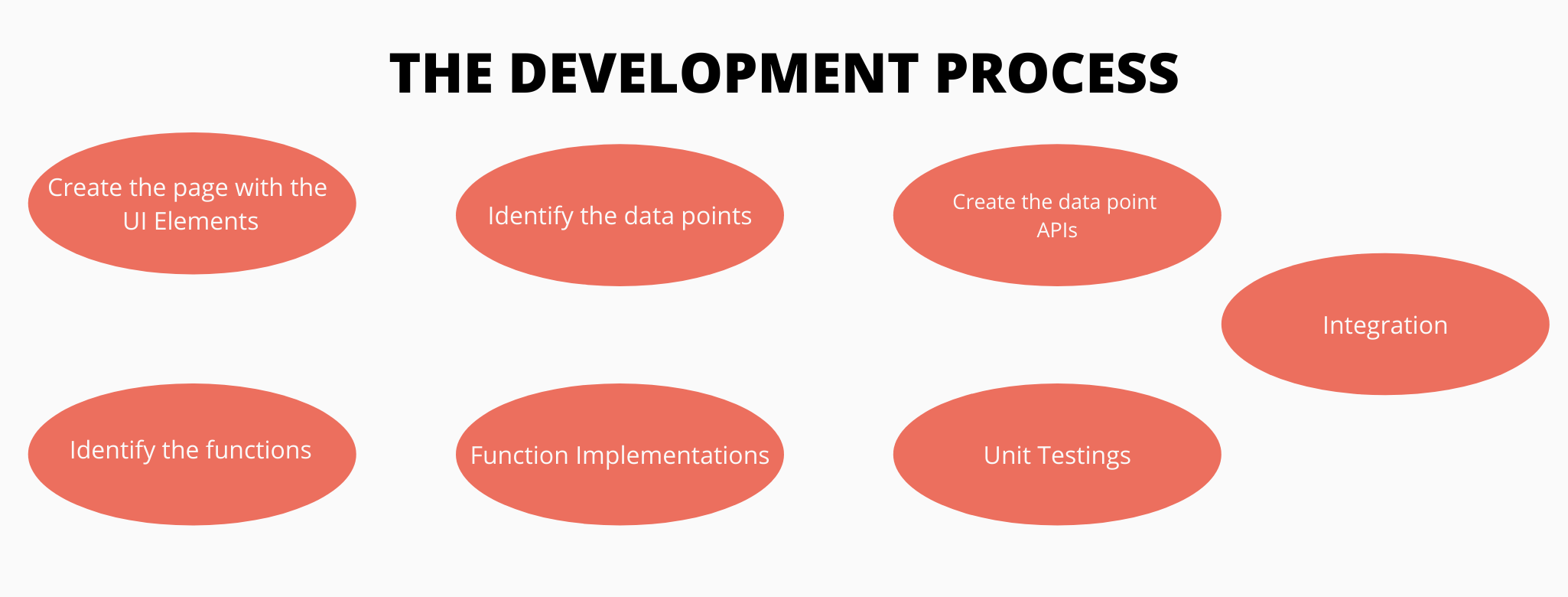
Scoped, built, and shipped in 2.5 weeks
Working as a freelancer within the larger WECCC project, I owned this feature end-to-end, from understanding the data model to delivering a tested, integrated tool.
Understand
Mapped the JSON data structure and client specifications for numerical value conversion
Design logic
Planned the parsing and conversion functions, mapping every JSON value to its numerical equivalent
Build
Implemented the generator in JavaScript, integrated with Drupal CMS via REST API
Test
Wrote Jest unit tests for core generation logic to validate output accuracy
Ship
Delivered and integrated into the live WECCC platform within the project timeline
One click from JSON
to analyst-ready CSV
Feature 01
JSON parsing and numerical mapping
Survey responses were stored as string values in JSON. Per client specification, every value needed converting to a numerical equivalent for statistical analysis. I built a mapping layer that handled this conversion consistently across all survey types.
Data transformation · client spec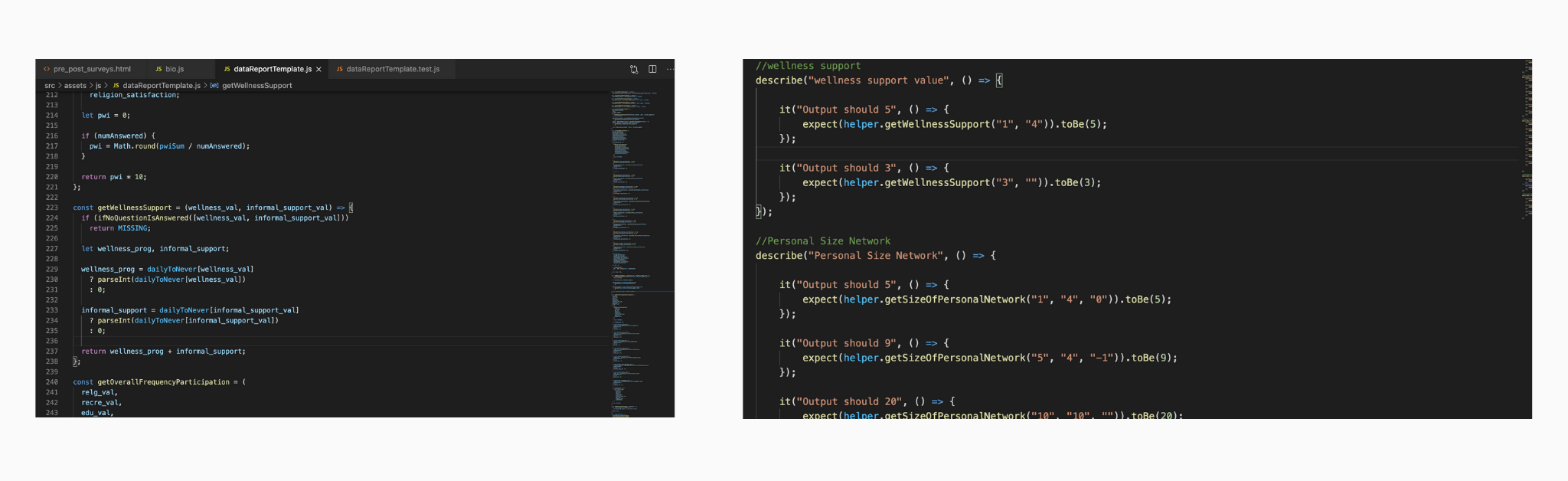
Feature 02
One-click CSV download
The interface was intentionally simple. One button triggered the full parse, convert, and download flow. The file came out with the correct column structure for the evaluation report template, ready to open in Excel or Google Sheets without any reformatting.
UX simplicity · zero friction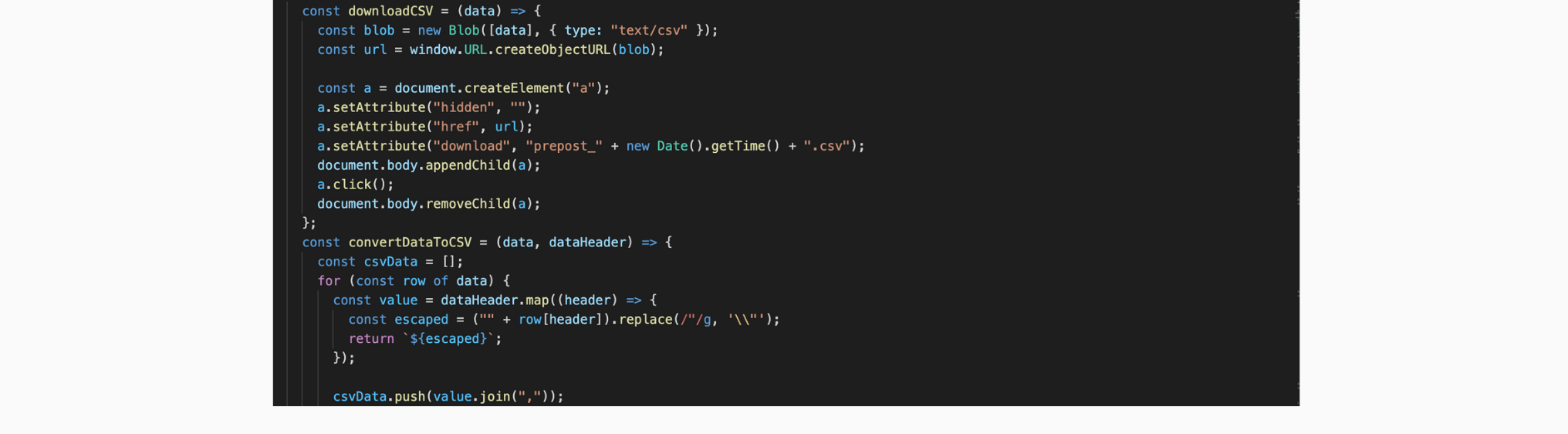
The crux of the
programme evaluation report.
Funding-critical tool
The CSV generator became the foundation of WECCC's programme evaluation report.
This wasn't a nice-to-have feature. It was what made WECCC's data usable for external reporting. The programme evaluation report produced from these exports was the primary document submitted to secure funding for communities implementing the Share My Journey system in future years. Without clean, reliable data export, that report couldn't be produced. The tool I built made it possible.
What this project taught me.
Small tools can have outsized impact
A browser-based utility with a single button became mission-critical infrastructure. The scope was small but the stakes were high, and understanding that distinction shaped how I approached quality and testing.
Spec clarity saves everything
The numerical mapping rules were specific and non-negotiable. Taking time upfront to fully understand and document the conversion logic before writing a line of code prevented a lot of rework later.
Test what matters
Writing Jest tests for the generation logic wasn't just process for the sake of it. The output needed to be accurate for real analysis, and going through the test cases made me catch edge cases I'd have otherwise missed.